Double threshold training is a highly effective method for improving endurance performance. It focuses on two higher-intensity sessions in one day to target your lactate threshold — the point where lactic acid accumulation outpaces the body's ability to clear it. For erg-specific athletes, this builds the ability to sustain high power output for longer periods without fatigue.
What is double threshold training?
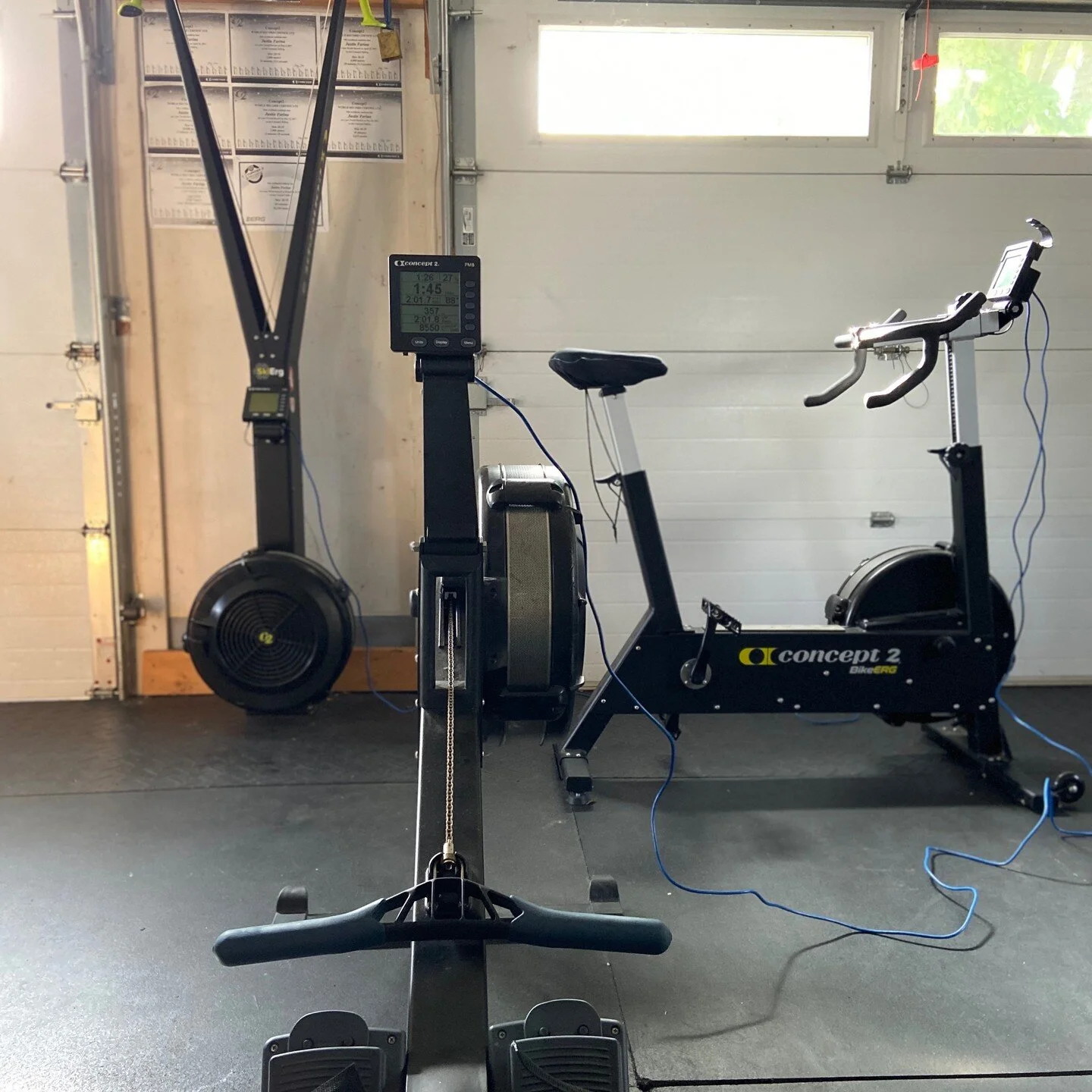
Double threshold training involves two workouts per day, both close to your lactate threshold. Each session targets your aerobic and anaerobic energy systems while allowing for adequate recovery between them. For indoor rowing, SkiErg, or BikeErg training,, this means training at paces that are challenging but not maximal — usually close to your 10k (or 20k BikeErg) pace.
The physiology behind the pacing
There is one really important piece to remember: the pace targets exist for a specific physiological reason, not as a suggestion.
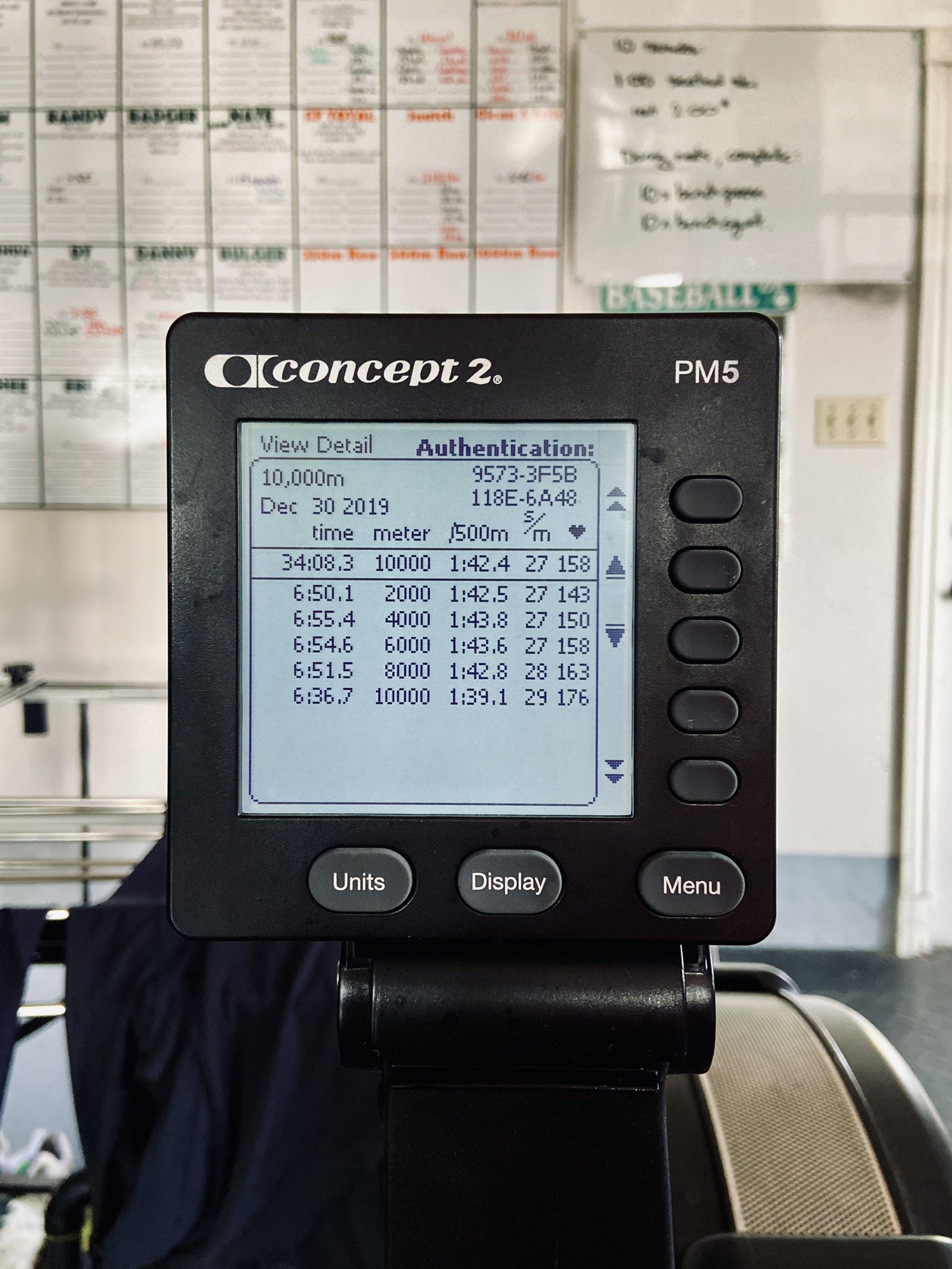
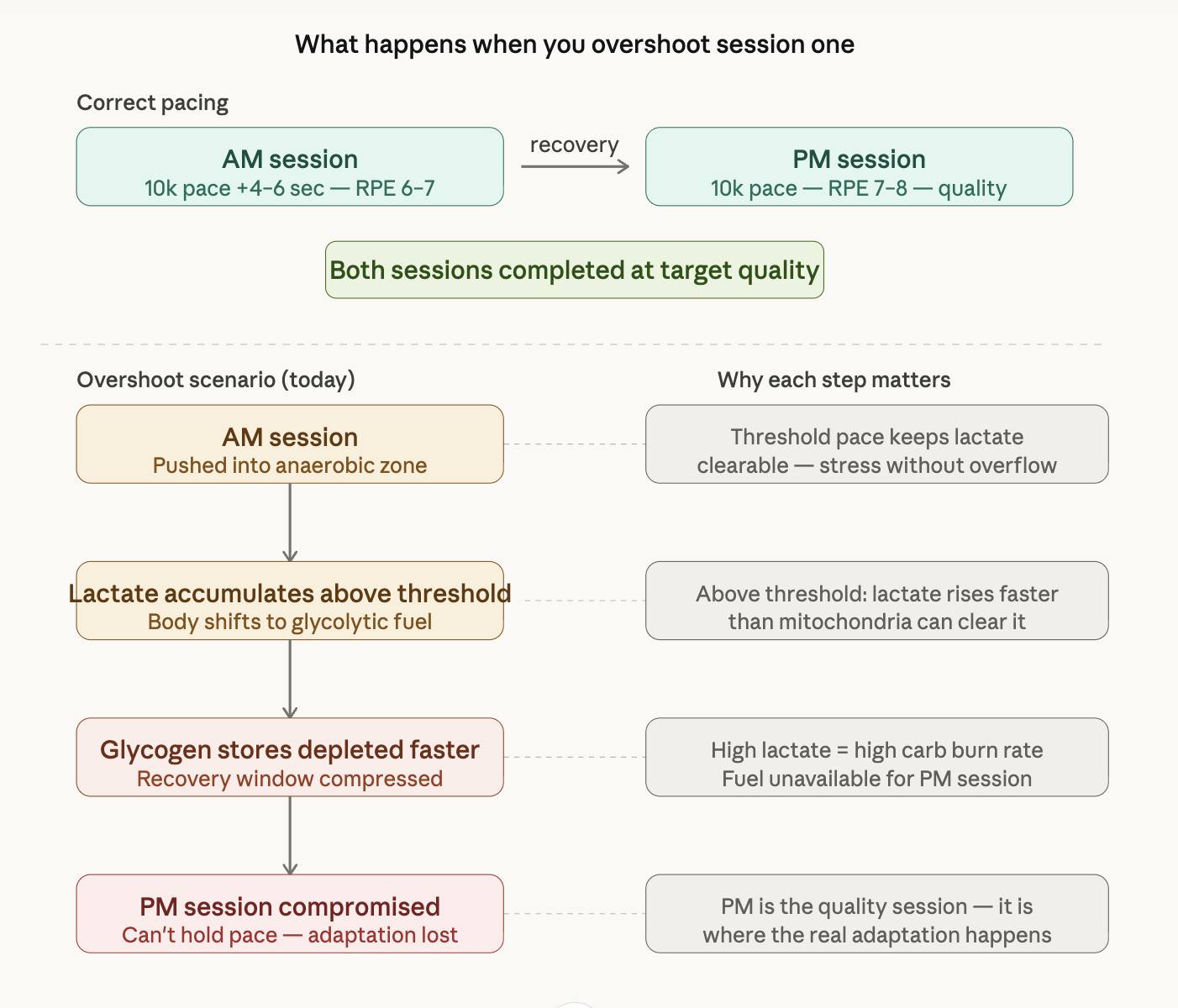
Your lactate threshold is the intensity at which lactate begins to accumulate in your blood faster than your mitochondria can clear and recycle it. Just below that point, your aerobic system is under genuine stress and adapting — but it remains sustainable. The moment you push above it, your body shifts increasingly toward anaerobic glycolysis, which burns carbohydrates at a much higher rate and produces lactate faster than it can be processed.
In a single-session context, this might be recoverable. In a double threshold day, it creates a cascade:
Excess lactate from session one means residual metabolic fatigue that nutrition and rest can only partially address in a 4–6 hour window.
Glycogen stores that should carry you through the PM session have been drawn down more aggressively than intended.
The PM session — which is designed to be the quality session, with shorter, sharper intervals closer to race pace — arrives compromised. You either can't hold the prescribed pace, or you hold it at a much higher physiological cost, defeating the purpose.
The double threshold method only works when both sessions land in the right zone. Overshooting session one doesn't give you more adaptation from that session — it subtracts from session two.
Why this matters for SkiErg athletes specifically
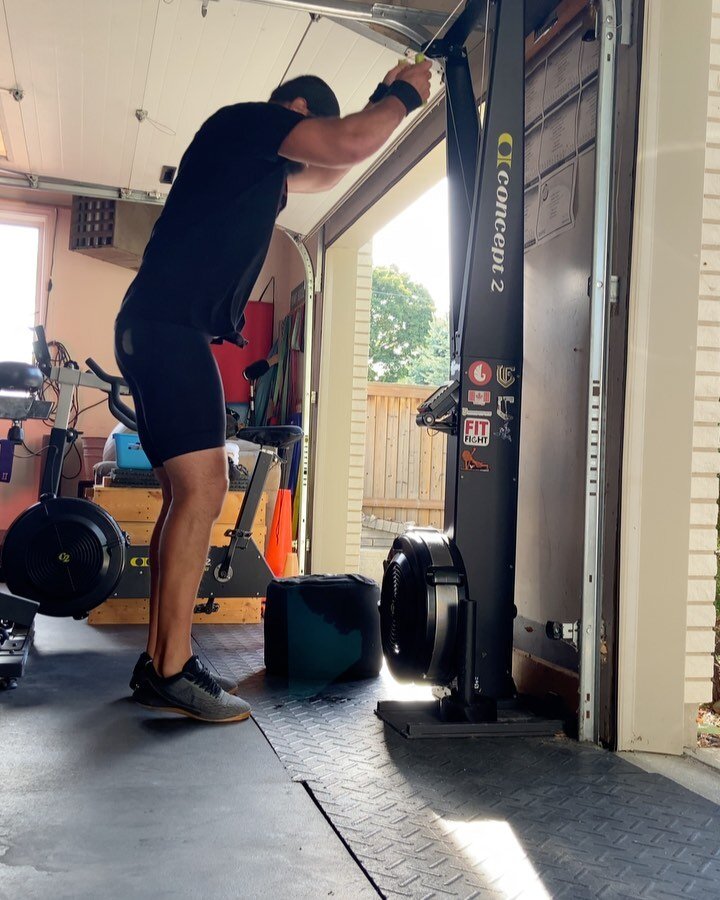
SkiErg is a high upper-body demand sport. The muscles driving each stroke have a relatively smaller total mass compared to rowing, running or cycling, which means they reach lactate-producing intensity faster and have a narrower buffer before the system tips over. Pacing discipline matters even more here than in sports with larger muscle groups.
Benefits your body is building — when paced correctly
Improved sustained power — ability to hold higher average splits over long distances like the 10k
Enhanced lactate clearance — your mitochondria become more efficient at recycling lactate as a fuel source
Boosted recovery capacity — faster recovery between intervals and between the two sessions
Mental toughness — training consistently at a demanding but controlled effort builds confidence and race-day composure
Session targets below (for reference)
Morning session: 10k pace +4–6 sec/500m · SR 40–46 spm · HR 80–88% max · RPE 6–7 · Longer intervals (6–8 min) — build threshold endurance
Evening session: 10k pace, progressing to slightly faster · SR 42–48+ spm · HR 85–90% max · RPE 7–8 · Shorter intervals (2–3 min) — develop power and speed
Recovery between sessions
The window between sessions is not optional downtime — it is part of the training. Use it to hydrate well, eat a balanced meal with both carbohydrates and protein, and include light movement or mobility to promote blood flow and clear metabolic byproducts.
How adaptation builds over time
By repeating double threshold sessions weekly, you will notice lower heart rates at given paces, improved ability to hold pace in later intervals, and better splits in time trials and races. The adaptation is cumulative — it requires the stress of both sessions to be applied consistently and correctly.
Final reminders
Monitor your body for signs of fatigue or overtraining
If you cannot hold prescribed pace or heart rate, reduce intensity slightly rather than white-knuckling through
Balance hard days with light sessions or full rest days — the recovery is where the adaptation is consolidated